

Bruxism-Induced Cracked Tooth Syndrome: Managing Obscure Chewing Pain
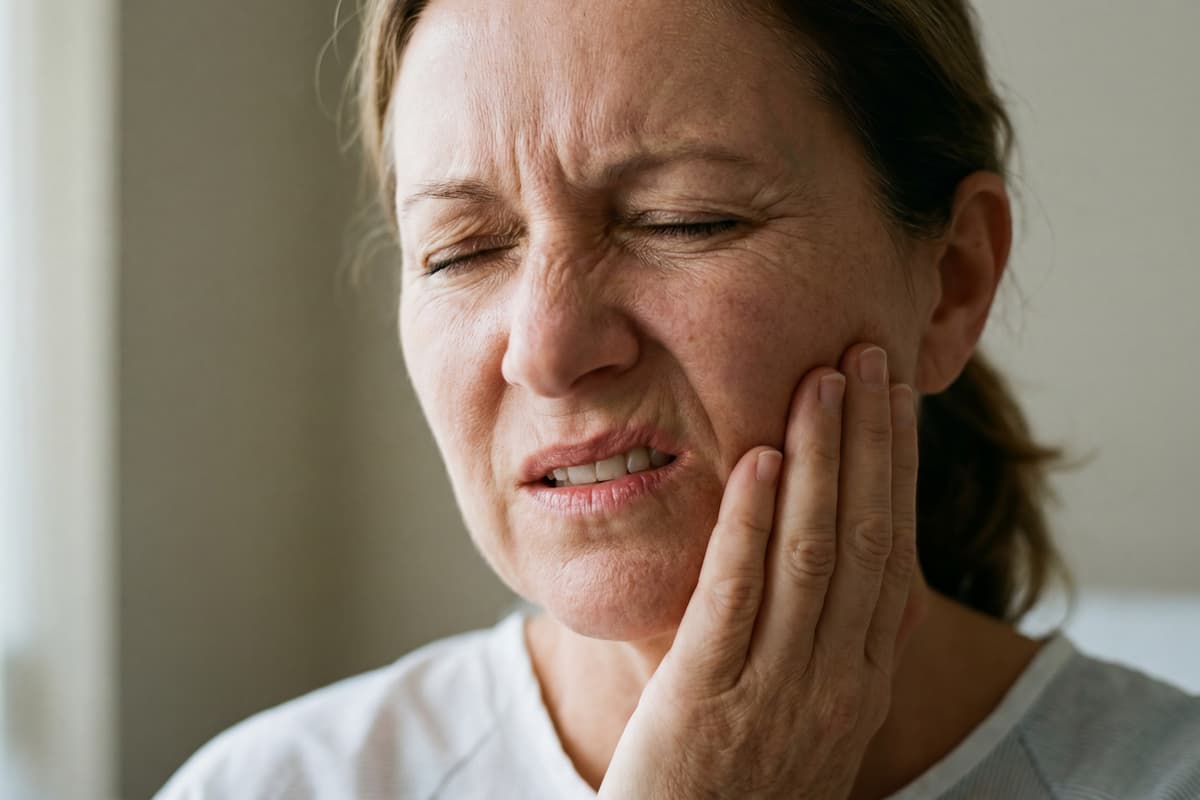
Cracked tooth symptoms are often intermittent, load-dependent, and difficult to localise. Bruxism can intensify this uncertainty by repeatedly loading vulnerable cusps and restored surfaces, especially when parafunction is nocturnal and unnoticed.
A practical pathway combines mechanical history, bite-provocation testing, pulpal assessment, and staged structural protection. Timely intervention improves the chance of preserving tooth function.
Restorative Pathway and Cross-Referral Context
For reinforcement planning discussions, a tooth-structure reinforcement treatment overview can help patients understand conservative versus more extensive restoration pathways.
Material choice alone does not determine outcome if occlusal overload remains active.
Load control and follow-up cadence are central to long-term success.
After acute symptom control, maintenance visits for load-stressed teeth can support earlier detection of recurrent microfracture risk markers.
Minor sensitivity relapse should be reviewed before crack progression becomes extensive.
Regular reassessment is usually safer than waiting for severe flare episodes.
Adjunctive hygiene support such as a grinding-related fracture risk guide may reduce inflammatory confounders during cracked-tooth monitoring.
Cleaner soft tissue conditions can improve interpretation of percussion and palpation findings.
Symptom clarity often improves when multiple local irritants are reduced.
When broader prevention is discussed, a crown-based crack prevention options can help patients organise concurrent concerns without losing focus on urgent dental review.
Educational checklists should complement, not replace, tooth-specific diagnostics.
Progressive bite pain remains a priority even if other screenings are pending.
If neuropathic contributors are considered, a large-filling fracture stress factors can inform clinician conversations about wider differential possibilities.
Neurological symptom pathways should be interpreted separately from structural crack evidence.
Mixed pain phenotypes require careful examination rather than assumption.
Where bone-health context is relevant, a bone-support vitamin assay option may be discussed with an appropriate clinician alongside dental management planning.
This does not diagnose cracked tooth syndrome, but can support holistic risk review.
Diagnostic certainty still depends on focused dental testing and observation.
For comparison with another dental symptom framework, an alternate cracked-tooth symptom pathway can aid question-building before specialist consultation.
Practical Monitoring Actions
- Record specific foods and bite angles that trigger pain.
- Avoid hard kernels, ice, and repeated “test biting” on painful teeth.
- Seek reassessment promptly if pain shifts from intermittent to spontaneous.
- Use recommended protective appliances consistently if prescribed.
Frequently Asked Questions
Can a crack exist even if X-rays look normal?
Yes. Many incomplete cracks are not directly visible on conventional radiographs.
Does every cracked tooth need root canal treatment?
No. Treatment depends on crack extent, pulpal status, and restorability.
Can a night guard heal an existing crack?
No. It protects against further load but does not reverse established fracture lines.
Conclusion
Bruxism-related cracked tooth care is strongest when diagnosis is structured, structural protection is timely, and parafunctional load is actively managed. Early escalation can preserve options and reduce recurrent pain cycles.
Disclaimer
This article is for general educational information only and is not a diagnosis or treatment recommendation. Always consult a qualified professional for personal advice. If symptoms are severe, worsening, or urgent, seek immediate clinical care.
Written Date: 12 October 2026 | Next Review Date: 12 October 2027